
Which fish is in season? The calendar of auction fish in the Mediterranean
Everyone knows that winter tomatoes taste of nothing, but few people apply the same logic to fish. The sea has its seasons too: every species has its months of plenty, when it is abundant at the auctions, at its best in flesh and, as a bonus, cheaper. This is the rough guide we use ourselves every morning at the L’Ametlla de Mar fish auction.
Why does fish have a season?
For three reasons: breeding cycles (before spawning, fish build up fat and taste richer), migrations (some species pass through our waters only a few months a year) and the closed seasons and regulations that protect each species when needed. Buying fish in season means buying it at its best and respecting the rhythm of the sea.
Spring: the time of small oily fish
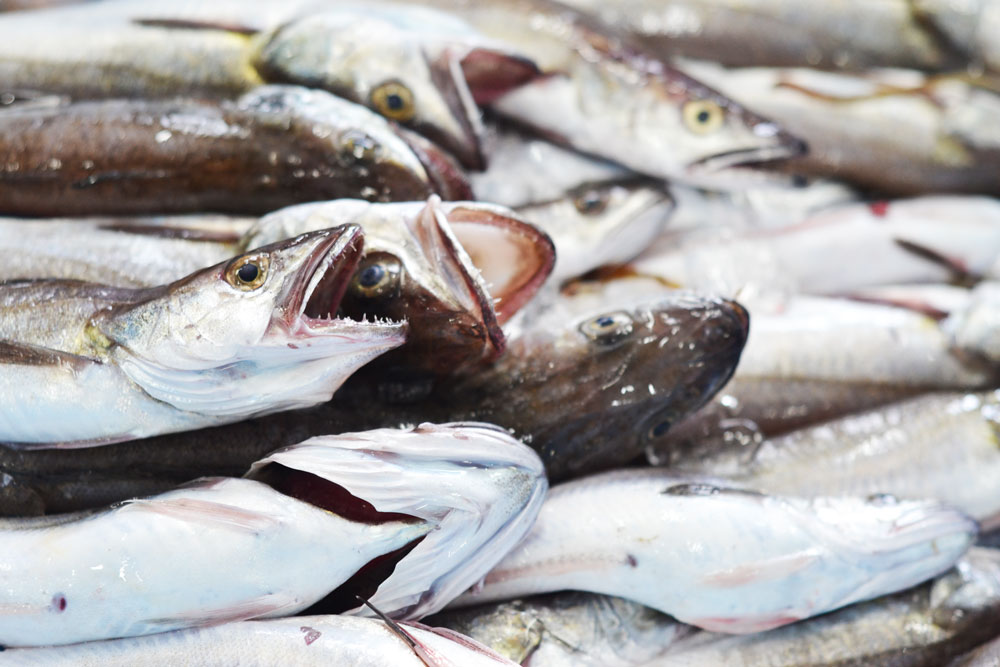
As the water warms up, the anchovy (seitó) bursts onto the scene, the king of spring: now is the time to have it fried, pickled in vinegar or grilled. It is also a good time for cuttlefish, which come close to the coast to spawn, and for longline hake. Towards the end of spring the best sardines begin.
Summer: sardines, king prawns and rockfish
The saying says it all: at Sant Joan, the sardine wets the bread. In summer the sardine is at peak fat and flavour. It is also the big season for the local king prawn —the famous prawn from the Alfacs bay—, for red mullet and for rockfish for stews and rice dishes: scorpionfish, monkfish, John Dory…
Autumn: dolphinfish and the return of squid
With the first easterly winds comes the llampuga (dolphinfish), a migratory fish we only see from late August to November: those who know it wait for it all year. Autumn also brings the best jigged squid, autumn cuttlefish and the first nicely meaty octopus. Mackerel (verat) and horse mackerel (sorell), undervalued and delicious oily fish, are in great shape.
Winter: mantis shrimp, shellfish and white fish at their best
Cold weather is the time for intense flavours. The mantis shrimp (galera) has its sweet moment between December and March, full and tasty, perfect for fumets and rice dishes. Wild sea bass and gilt-head bream are at their ideal fat level, octopus is at its best and winter hake is pure butter. And at Christmas, you know it: auction shellfish rules.
A rough calendar, not a law
The sea doesn’t keep fixed dates: a spell of easterlies, a closed season or simply whatever the sea decides to give that day can bring forward or delay each species. That’s why our catalogue changes every day according to what comes into the auction: if you can’t find a species one day, it’s because the sea didn’t give it that day — and that, although it may seem an inconvenience, is the best guarantee that the fish you buy is genuinely wild fish, not farmed.
Want to know what came in today? Take a look at today’s fish and let the season plan your menu.
More articles
The fish that empties other people’s seas: Senegal’s fishing crisis
Overfishing by foreign fleets has emptied Senegal’s fishing grounds: fishermen with no fish, families with no protein and forced migration towards the…

Fish for kids, fish without bones
Introducing fish into children’s diets is one of the best investments in your kids’ health. The benefits of eating fresh fish are key: Omega-3 is esse…

How to tell if fish is fresh and from the auction? 5 clues to help you tell the difference
Buying fish through a screen can raise doubts, especially when we can’t see the fish in person. If we take the leap of faith of buying online, how can…