
The fish that empties other people’s seas: Senegal’s fishing crisis
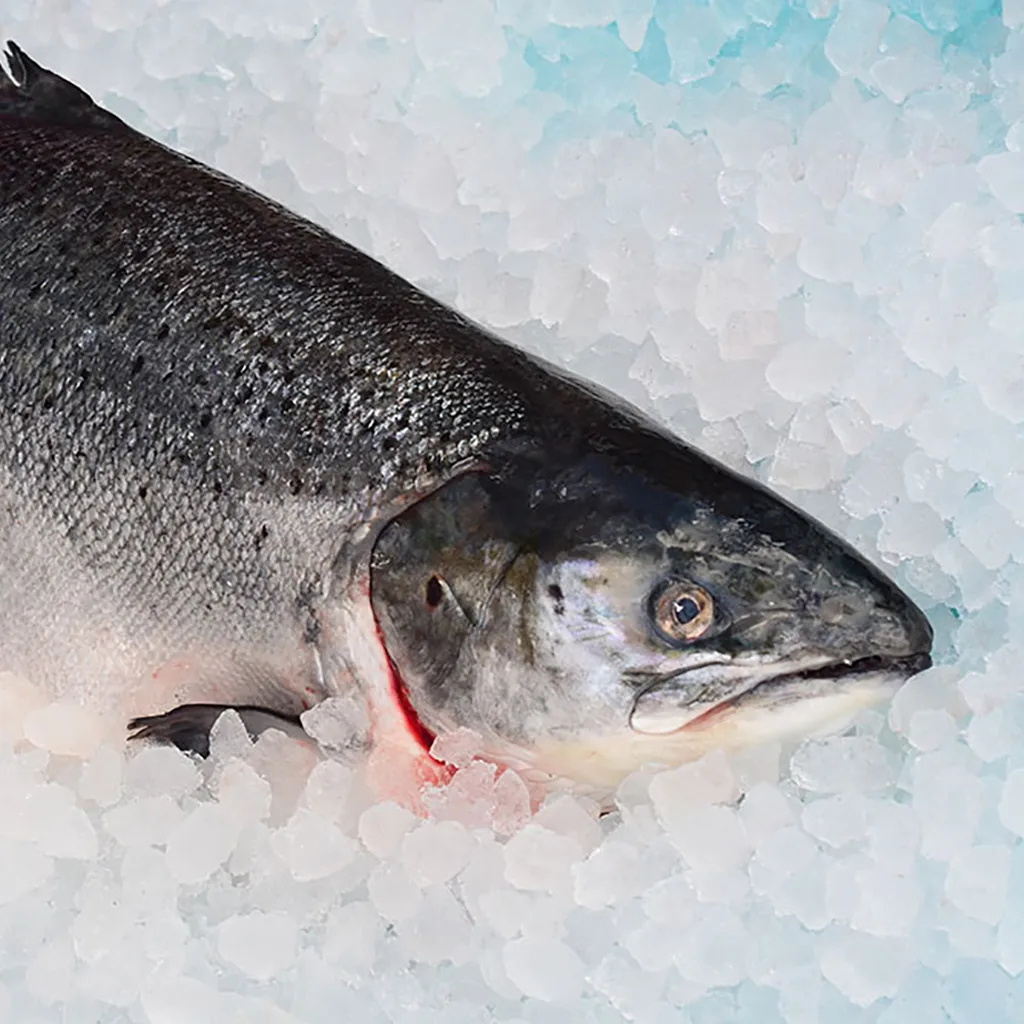
When we talk about fresh auction fish and local fish, we often do so in positive terms: flavour, quality, season. But there is another side to the coin that explains why it is so important to know where the fish we eat comes from. This is the story of Senegal, a country where the sea was everything and where overfishing is leaving it dry.
A sea that was abundant
The coast of West Africa is one of the most fertile on the planet. In Senegal, fishing employs about 3% of the working population and fish provides around 8% of the protein the country consumes. For generations, artisanal fishermen have gone out in their pirogues and fed entire villages, with women playing a central role in selling and processing the fish.
Today, that balance has been broken. According to a recent report by the Environmental Justice Foundation, 57% of the fish stocks caught in Senegal are in a state of collapse.
Who fishes in Senegal’s waters?
The uncomfortable answer: mostly, vessels that are not Senegalese. Almost half of the “Senegalese” fleet is actually foreign-owned —especially Spanish and Chinese— often operating under very opaque joint-venture agreements. More than 90% of the industrial fleet working there uses bottom trawling, one of the most destructive fishing methods for marine ecosystems.
Most of these catches do not stay in the country: they are exported to Europe and, increasingly, to China. It is estimated that the countries of the region (Senegal, Gambia, Mauritania, Guinea-Bissau, Guinea and Sierra Leone) lose about 2.3 billion dollars a year from illegal fishing alone.
Fishmeal: taking fish off the plate to feed fish farms
In recent years another player has joined in: fishmeal and fish oil factories set up by international companies on the African coast. They catch enormous quantities of small fish —sardinella above all, the basic protein of the local population— to turn it into feed for fish farms, mainly for farmed salmon or tuna.
The result is that the fish that used to feed Senegalese families now literally feeds other fish raised in cages thousands of kilometres away.
From fishing boat to small migrant boat
Without fish there is no work, and without work people leave. The migration route from West Africa to the Canary Islands —one of the deadliest in the world— has gone from about 400 people in 2017 to more than 46,000 in a single year. In 2023 alone, more than 3,000 people died trying to make the crossing from Senegal.
Many of those who board these boats are, precisely, fishermen. The same boats that used to go out fishing are now used to flee.
What do we have to do with it?
Much more than it seems. Every time we buy fish without knowing where it comes from, how it was caught or who caught it, we may be feeding this system without knowing it: industrial vessels emptying distant fishing grounds to fill European markets with cheap fish and feed for fish farms.
The alternative is not to stop eating fish: it is to eat it wisely. Auction fish, local, in season and traceable: knowing which auction it comes from, caught by boats from here, with regulated gear and auctioned with all the guarantees. It is fairer for the fishermen here and, indirectly, for those there too. Because knowing where the fish comes from is not a whim: it is the simplest way not to be part of the problem.
More articles
Which fish is in season? The calendar of auction fish in the Mediterranean
Fish has its seasons too. We guide you season by season through the fish and shellfish from the Mediterranean auction: when anchovies, sardines, dolph…

Fish for kids, fish without bones
Introducing fish into children’s diets is one of the best investments in your kids’ health. The benefits of eating fresh fish are key: Omega-3 is esse…

How to tell if fish is fresh and from the auction? 5 clues to help you tell the difference
Buying fish through a screen can raise doubts, especially when we can’t see the fish in person. If we take the leap of faith of buying online, how can…